
Share the property details
Send the location, equipment, symptoms or planned changes, and who can approve the work. Existing labels and service records help define the request.
Request heating, cooling or maintenance for your Elmira property. Choose the work and describe the equipment or symptoms. Coverage, pricing and appointments require confirmation.
Is something not working, or are you planning an installation or maintenance?
Choose the work you need and describe what changed, when it began, and which equipment is involved. For a planned project, include the outcome you want and any access or scheduling constraints.
View heat pump repair & installation services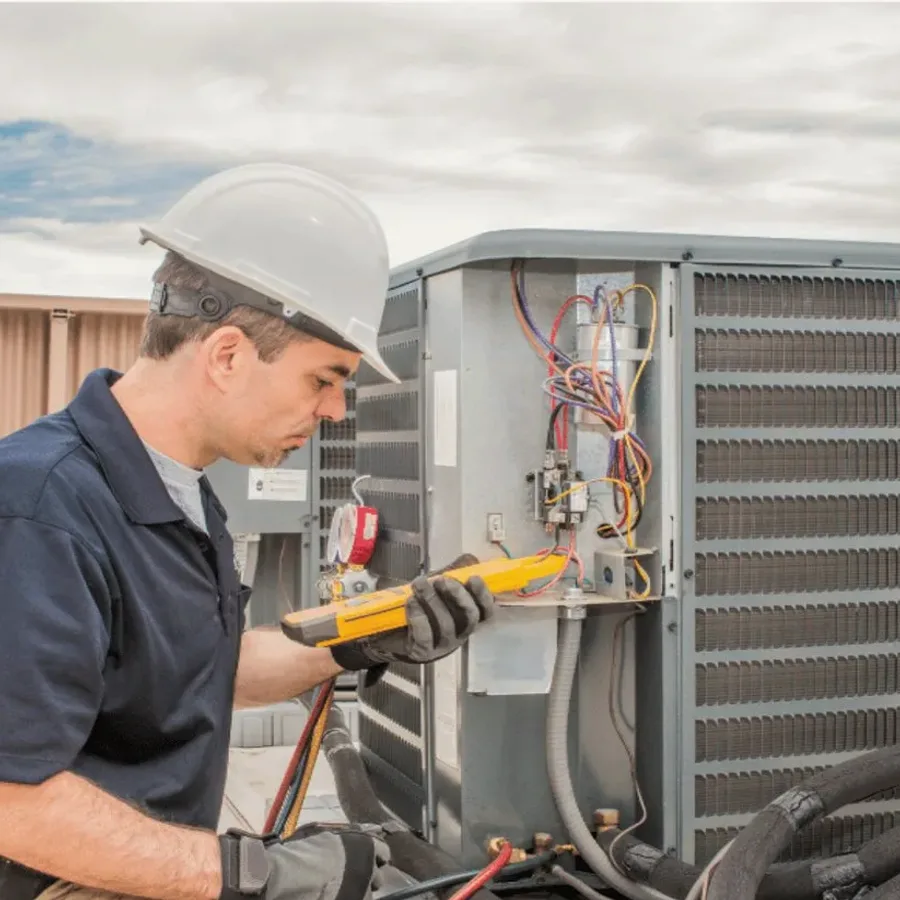
Describe the work first, then confirm the people, timing, and terms before making a commitment.
Send the location, equipment, symptoms or planned changes, and who can approve the work. Existing labels and service records help define the request.
The enquiry team reviews the request and shares it with a relevant service provider for follow-up using your contact details. Confirm contractor coverage, qualifications and how the property will be assessed before agreeing to an appointment.
Ask which findings support the work, what is included or excluded, and how completion will be checked. Agree on pricing and terms with the contractor.
Start with the installed equipment and its manufacturer instructions. Maintenance needs depend on the appliance and its use. Keep service records and ask a qualified contractor which seasonal inspections apply.
When requesting work for a property in Elmira or nearby Cambridge, Kitchener and Waterloo, ask how the system should be returned to normal service after the documented shutdown and whether backup equipment also needs assessment. Have the contractor explain the appropriate operating mode and schedules. Include any freezing or water damage in the scope rather than treating the return as a settings change alone.
Assessment may review indoor and outdoor operation, airflow, coil icing, defrost behaviour, controls, and recorded fault codes. Breaker trips or short cycling can indicate an electrical or control issue that needs proper diagnosis; occupants should not repeatedly reset equipment or bypass safeguards. Repair history and the condition of major components help distinguish a repairable fault from a replacement decision and define what installation options are compatible.
Ice on a heat-pump coil can relate to defrost operation, airflow, or refrigerant conditions, so its location and timing matter. Weak airflow may involve a filter, coil, fan, or duct restriction in a ducted system; a ductless system requires attention to the affected indoor head. Short cycling and breaker trips need control and electrical assessment. These observations help identify the fault without treating every cooling or heating symptom as the same problem.
A component repair may be appropriate when the cause is defined and the remaining equipment is in serviceable condition. Repeated faults, a major component problem, or a repair history that changes the overall comparison may support evaluating replacement instead. The decision should be based on diagnosis and equipment condition, not a single symptom. If refrigerant leakage or a failed coil is suspected, the findings and repair options need to be established before choosing a path.
Installation planning should identify whether the existing system is ducted or ductless and how its controls, electrical connections, and distribution are arranged. A standard model and a cold-climate model may have different operating characteristics, so the property's requirements and equipment specifications matter in selection. Existing thermostat compatibility and any auxiliary heating arrangement may also affect the scope. Confirming these details before selection helps avoid treating a replacement as a simple unit-for-unit swap.
Share the property location and the work you need so the request can be reviewed.