What furnace symptoms and recent changes should I describe when requesting a repair assessment?
A furnace that will not start, produces uneven heat, or makes a new noise needs diagnosis before a repair or replacement decision can be made. The symptoms, fault codes, service history, and condition of the unit help distinguish an ignition problem from restricted airflow, a blower fault, or a concern with combustion or venting. Repair may suit a serviceable furnace with a defined fault; replacement is a separate decision when condition, safety findings, or repeated repair needs change the comparison.
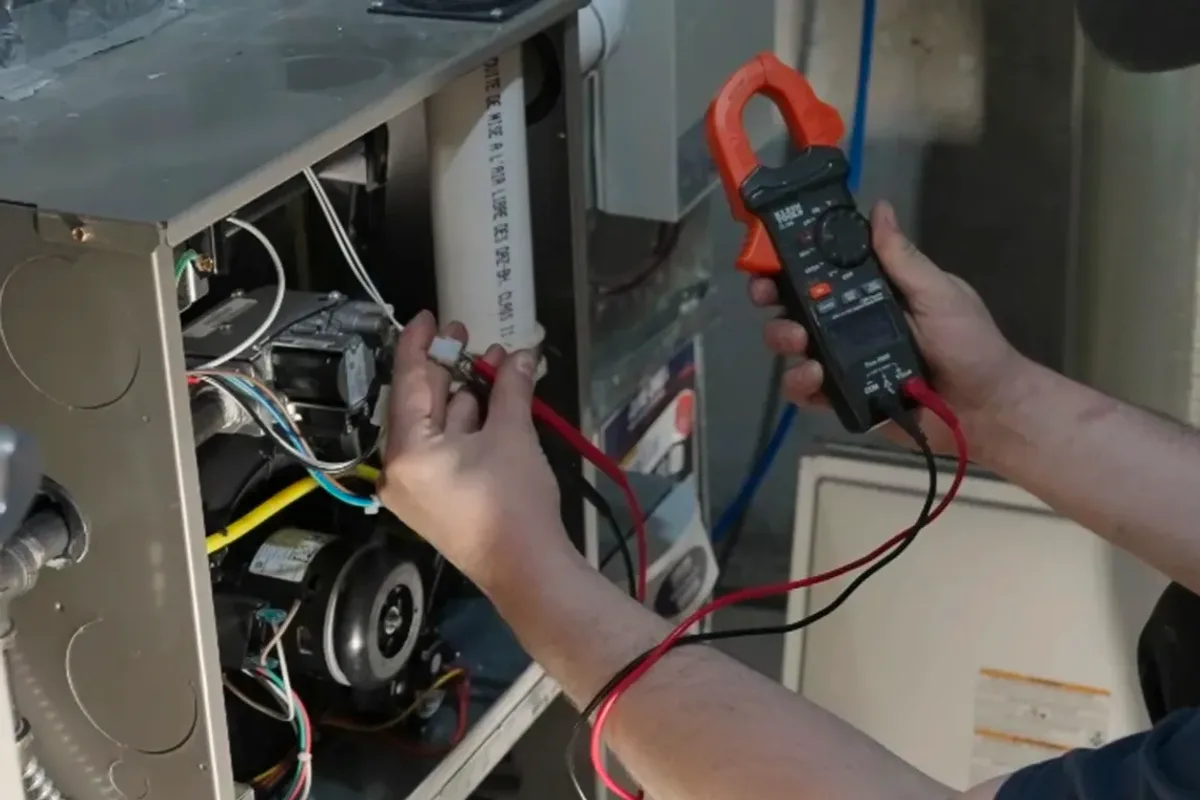
The assessment can compare the thermostat call, ignition sequence, burner operation, airflow, and recorded fault codes with the furnace model and prior service findings. A cracked or otherwise damaged heat exchanger, abnormal combustion, or a venting concern calls for a different response than a failed igniter or blower component. These observations help define whether repair, further evaluation, or replacement is appropriate.
Ignition, flame sensing, pressure switches, and blower faults
Heat-exchanger, combustion, and furnace-vent inspection
Repair versus replacement based on condition and repair history
Assessment and Scope
Questions for the Proposed Work
01
Separate ignition faults from airflow and blower problems
A furnace that does not light can have a different cause from one that starts but delivers weak airflow or shuts down repeatedly. Diagnosis may involve the ignition components, flame-sensing circuit, pressure-switch sequence, filter condition, blower operation, and control records. Identifying where the sequence stops matters because changing an unrelated part will not address the underlying fault. Internal electrical and fuel components require qualified assessment, not homeowner troubleshooting.
02
Check combustion, heat-exchanger condition, and venting
A repair assessment should consider the burner and venting alongside the reported heating problem, especially when there is an unusual odour, soot, or a change in operation. Inspection findings and applicable combustion measurements help distinguish an ordinary component fault from a concern involving the heat exchanger or exhaust path. Those results affect whether continued repair is reasonable or whether the furnace should be taken out of service pending further evaluation.
03
Compare a repair with replacement on condition, not age alone
A defined fault on a furnace in otherwise serviceable condition may support repair, while repeated failures, significant component damage, or safety findings may change the decision. A useful comparison records the diagnosis, parts involved, prior repair history, and the condition of the heat exchanger and venting. Replacement planning should account for the existing fuel connection, vent arrangement, and heating distribution rather than assuming every furnace uses the same setup.
Compare the next step
Ask which startup observations are safe for the occupant and which checks require service after the idle period. Include any water entry, freezing, or pest history. Establish normal operation and the maintenance needed before depending on the furnace, then retain instructions for the next planned shutdown.
Leave burner, fuel, venting, electrical, and internal equipment work to a qualified contractor. Do not bypass a safety switch or repeatedly reset a furnace.