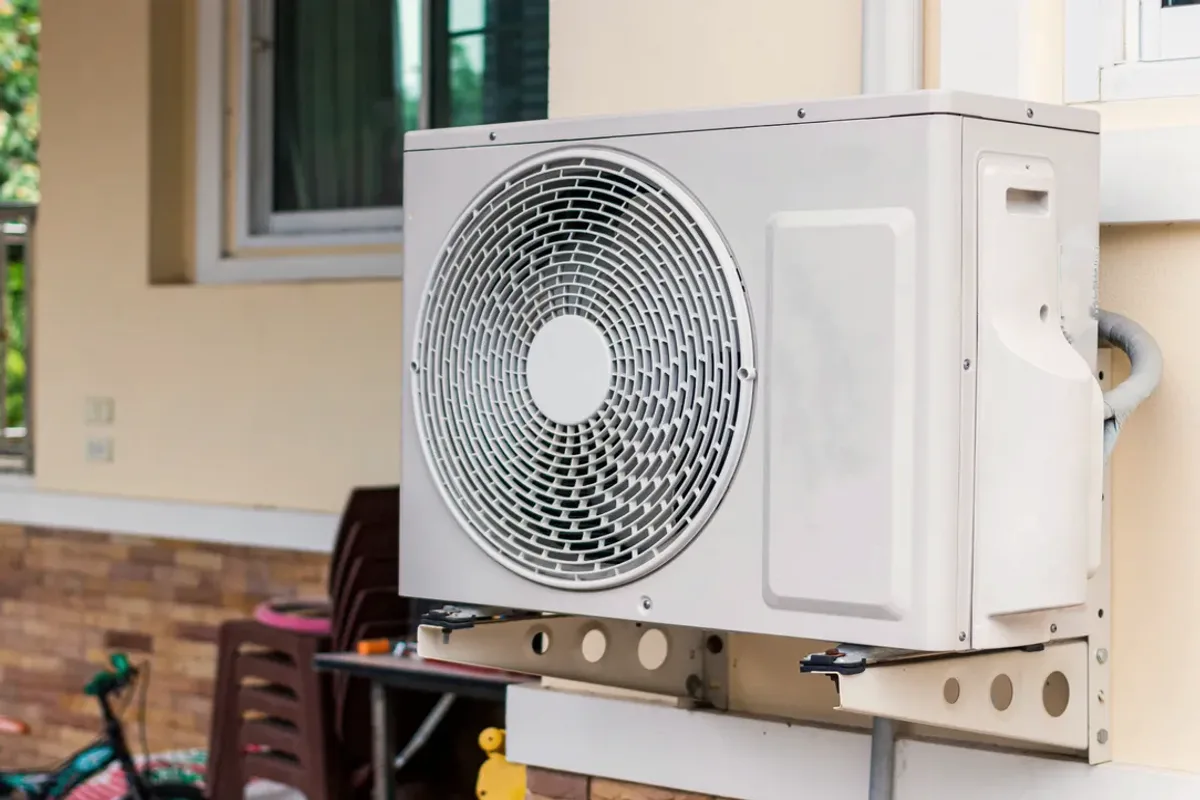
Request heat pump repair & installation for a property in Elmira. Include the equipment, the problem or planned work, and your location so the request can be reviewed.
Does the heat pump fail in heating, cooling, or both, and is it ducted or ductless?
A heat pump may need repair when heating or cooling becomes uneven, the unit cycles unusually, or icing and noise appear. Diagnosis should use the equipment type, operating symptoms, fault indications, and service history to distinguish airflow, defrost, refrigerant, and electrical issues. Installation is a separate decision when equipment condition or repair history supports replacement. A comparison should account for standard or cold-climate models and ducted or ductless distribution, rather than assuming a single configuration fits every property.
Assessment may review indoor and outdoor operation, airflow, coil icing, defrost behaviour, controls, and recorded fault codes. Breaker trips or short cycling can indicate an electrical or control issue that needs proper diagnosis; occupants should not repeatedly reset equipment or bypass safeguards. Repair history and the condition of major components help distinguish a repairable fault from a replacement decision and define what installation options are compatible.
Heat-pump icing, defrost, airflow, and cycling faults
Repair versus replacement based on fault and service history
Cold-climate, ducted, ductless, and control compatibility
Assessment and Scope
Questions for the Proposed Work
01
Diagnose icing, weak airflow, and cycling together
Ice on a heat-pump coil can relate to defrost operation, airflow, or refrigerant conditions, so its location and timing matter. Weak airflow may involve a filter, coil, fan, or duct restriction in a ducted system; a ductless system requires attention to the affected indoor head. Short cycling and breaker trips need control and electrical assessment. These observations help identify the fault without treating every cooling or heating symptom as the same problem.
02
Choose repair or replacement from the system record
A component repair may be appropriate when the cause is defined and the remaining equipment is in serviceable condition. Repeated faults, a major component problem, or a repair history that changes the overall comparison may support evaluating replacement instead. The decision should be based on diagnosis and equipment condition, not a single symptom. If refrigerant leakage or a failed coil is suspected, the findings and repair options need to be established before choosing a path.
03
Match replacement equipment to distribution and controls
Installation planning should identify whether the existing system is ducted or ductless and how its controls, electrical connections, and distribution are arranged. A standard model and a cold-climate model may have different operating characteristics, so the property's requirements and equipment specifications matter in selection. Existing thermostat compatibility and any auxiliary heating arrangement may also affect the scope. Confirming these details before selection helps avoid treating a replacement as a simple unit-for-unit swap.
Compare the next step
Ask how the system should be returned to normal service after the documented shutdown and whether backup equipment also needs assessment. Have the contractor explain the appropriate operating mode and schedules. Include any freezing or water damage in the scope rather than treating the return as a settings change alone.
Cold-climate capability does not prove that one model covers every home heating load. Ask how the selected equipment and supplementary heat meet the actual design requirements.