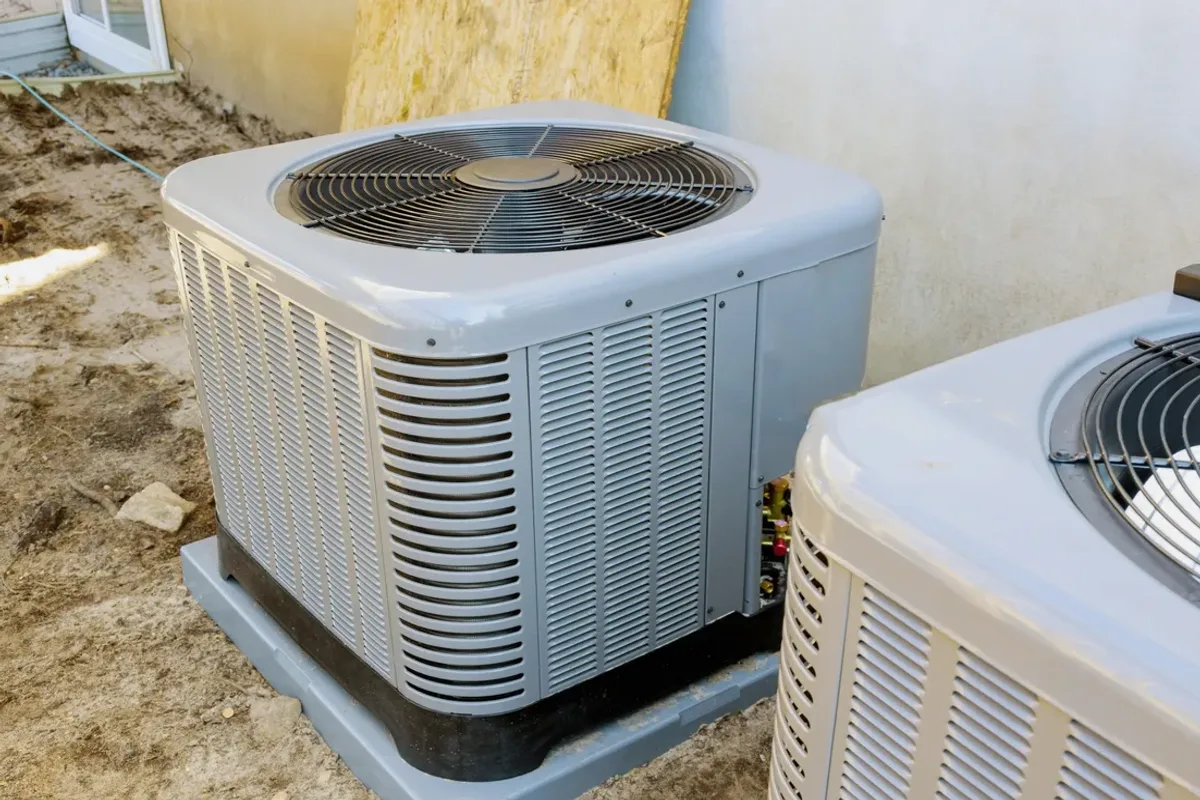
Is the cooling problem affecting every room, or only particular registers or indoor units?
Warm supply air, an iced indoor coil, a noisy fan, or a system that will not start can point to different air-conditioning faults. The equipment type, operating symptoms, error indications, and recent service records help separate an airflow restriction from a refrigerant or electrical component problem. Diagnosis should establish the cause before repair is selected. If the system has recurring faults or major component damage, compare repair with replacement using its condition and refrigerant requirements.
Assessment may compare indoor and outdoor operation, coil condition, airflow, controls, and any available fault indications. A frozen coil can result from restricted airflow or a refrigerant problem, which require different diagnosis and correction. For central air, duct restrictions may also matter; for ductless equipment, each indoor head and its condensate drainage need consideration. These findings define the repair scope.
Central-air and ductless cooling fault diagnosis
Iced coils, airflow restrictions, and refrigerant concerns
Repair versus replacement, including refrigerant considerations
Assessment and Scope
Questions for the Proposed Work
01
Distinguish an airflow restriction from a refrigerant fault
An iced coil and weak cooling do not identify a single cause. The assessment should consider filter and grille condition, coil airflow, fan operation, and system measurements before concluding that refrigerant charge is the issue. Refrigerant work requires appropriate handling and equipment, so it is not an occupant task. Recording where ice forms and whether airflow is weak across the system or at specific outlets can help focus the diagnosis.
02
Include ducts or individual indoor units in the diagnosis
With central air, restricted ductwork, a closed or obstructed register, or an imbalance can affect cooling even when the outdoor unit operates. Static-pressure and airflow observations can help identify whether the repair belongs at the equipment or in the distribution system. For ductless systems, symptoms may differ between indoor heads, making head operation, coil condition, and condensate drainage relevant. The equipment layout determines which checks apply.
03
Compare repair with replacement when major parts are involved
A repair involving a serviceable electrical or fan component differs substantially from a compressor failure or recurring refrigerant problem. The diagnosis, repair history, equipment condition, and refrigerant type help make that comparison. Older equipment using a refrigerant with changing availability may affect future service options, but it does not by itself establish that replacement is necessary. A replacement assessment should account for the existing ducted or ductless arrangement.
Compare the next step
Explain how the cooling system was left and whether the property experienced outages or water damage. Ask for a condition assessment before a full seasonal run if abnormalities are present. Request instructions for keeping drainage, filters, and outdoor access suitable during future idle periods.
Do not open electrical panels or handle refrigerant. If ice, water near electrical equipment, or abnormal operation is present, stop using the affected system and request an assessment.